Content
Light takes part in the rhythms of life, influences perception and transforms our relationship with spaces. Understanding these relationships calls for a view that integrates biology, chronobiology, neuroscience, architecture and lighting technology.
Content is a space for reflection and in-depth study of the role of light in people's lives and in the making of spaces. Scientific knowledge, technical principles and design experience connect to broaden the understanding of lighting and the possibilities of its application.
An approach that translates WeLight's thinking: understanding people, interpreting architecture and materialising light, bringing science, sensitivity and technology together.
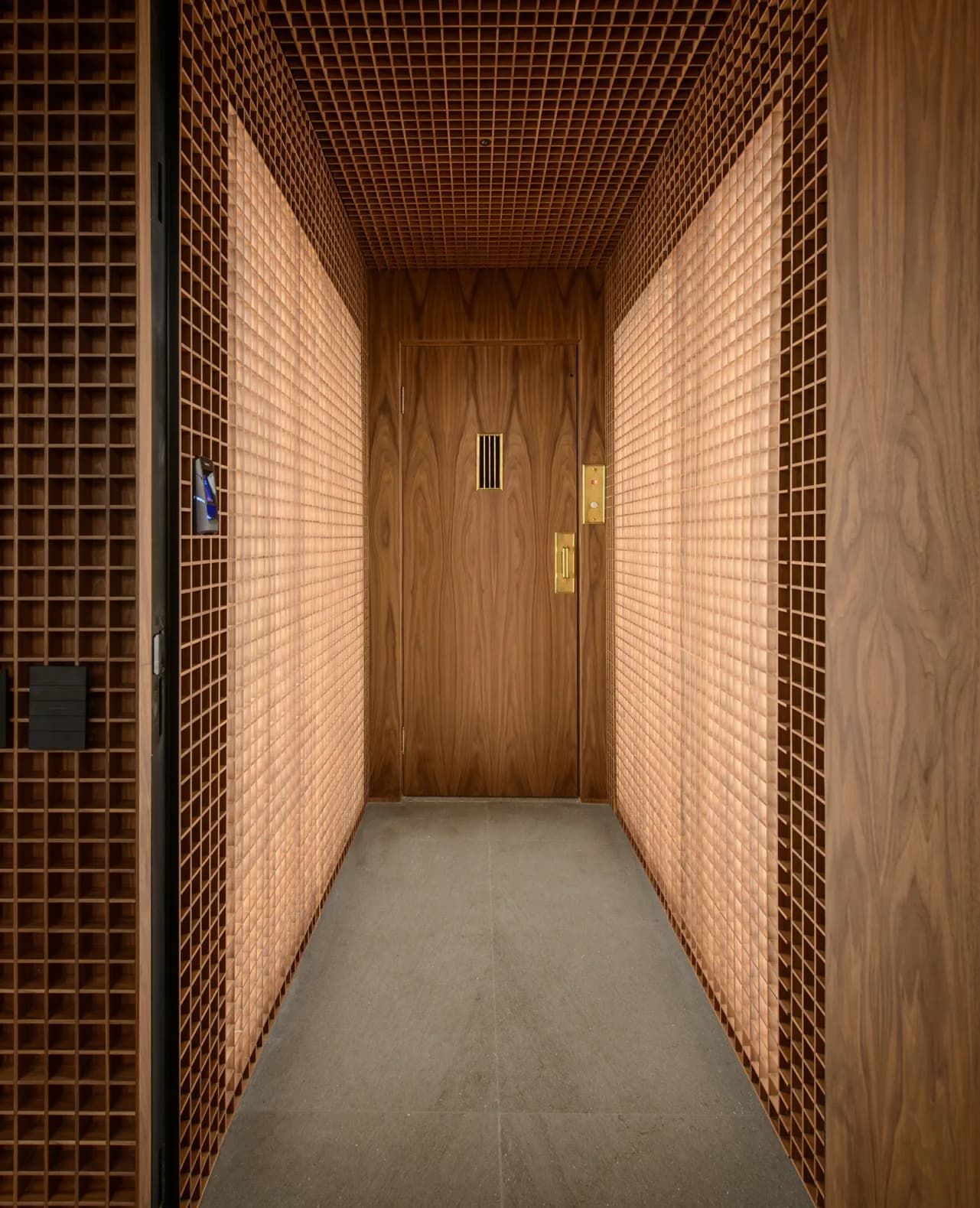
Light organises the perception of space
Light transforms the way we perceive spaces. It reveals forms, textures and depths, guides our gaze and highlights what deserves attention. In the relationship between light and shadow, volumes gain expression and architecture becomes more perceptible.
Read
The body perceives light beyond sight
Light allows us to see and takes part in the organisation of biological rhythms. In the retina, photobiology and neuroscience meet: light information reaches the brain and helps synchronise the body with the cycle of day and night.
Read
Light synchronises the rhythms of life
Our body has biological rhythms that regulate sleep and wakefulness, attention, energy, body temperature and hormone production throughout the day. Chronobiology is the science that studies these cycles and their relationship with signals from the environment.
Read
The history of life is inseparable from the history of light
Evolutionary biology studies how living beings have changed, over generations, in response to the conditions of their environment. Among those conditions, few have been as constant as the alternation between light and darkness.
Read